The right method depends on more than pregnancy prevention: you also need to weigh STI protection, bleeding changes, breastfeeding, medical history, privacy, cost, and how much upkeep you can manage. By the end, you will be able to compare the main options, identify questions that require clinician review, and know what to do after missed doses, contraceptive failures, or unprotected sex.
Key takeaways
- Use condoms for STI protection; most other methods prevent pregnancy only.
- Choose a method that fits your health, future plans, and daily routine.
- Ask when protection starts and what backup contraception you need.
- Seek urgent review after severe pain, heavy bleeding, or a possible pregnancy.
Compare the main birth control options by effectiveness and STI protection
For birth control options in Keshav Nagar, separate two goals: preventing pregnancy and reducing sexually transmitted infection (STI) risk. Implants, intrauterine devices (IUDs), injections, pills, and sterilisation prevent pregnancy but do not protect against STIs.
| Method | Typical pregnancy prevention | STI protection |
|---|---|---|
| Implant | Over 99%; works for years with no daily action | No |
| Hormonal or copper IUD | Over 99%; long-acting and reversible | No |
| Sterilisation or vasectomy | Over 99%; intended as permanent | No |
| Contraceptive injection | About 96%; repeat injections are needed | No |
| Combined or progestin-only pill | About 93%; daily timing matters | No |
| External condom | About 87%; effectiveness falls with breaks or incorrect use | Reduces STI risk |
| Fertility-awareness methods | About 77–88%; varies by method and careful tracking | No |
| Emergency contraceptive pill | One-time rescue; works best as soon as possible | No |
The strongest reversible pregnancy prevention comes from an implant or either type of IUD. Sterilisation and vasectomy are highly effective but require a permanent decision; semen testing is needed after vasectomy before relying on it.
Use an external condom with an implant, IUD, pill, injection, or sterilisation when STI exposure is possible. Condoms reduce, rather than eliminate, risk because infections spread through uncovered skin or sores. Emergency contraception does not protect later sex in the same cycle, and fertility-awareness methods require consistent tracking and cooperation.
Match the method to your body, plans, and daily routine
Breastfeeding, your bleeding pattern, and how soon you may want pregnancy should shape the choice. Progestin-only methods and IUDs often fit breastfeeding, while estrogen-containing pills, patches, and rings need medical review soon after delivery. Fertility usually returns promptly after implant or IUD removal; injections can delay ovulation longer.
Use these trade-offs to narrow the options:
- Heavy or painful periods: a hormonal IUD can reduce bleeding; a copper IUD can make periods heavier. Injections can cause unpredictable bleeding.
- Acne: some combined pills improve acne, while progestin-only methods affect skin differently. Ask before choosing based on acne alone.
- Migraine with aura, previous clots or stroke, uncontrolled high blood pressure, or smoking at age 35 or older: do not start an estrogen method without clinical screening.
- Epilepsy, tuberculosis, or HIV medicines can reduce the reliability of several hormonal methods. Disclose every prescription, over-the-counter medicine, and Ayurvedic or herbal supplement.
- Privacy, cost, and upkeep: an implant or IUD avoids daily reminders but requires a procedure and follow-up access; pills cost less upfront but need consistent use. Condoms add STI protection and require use during every act of sex.
Choose a method you can tolerate and continue, not simply the most private or infrequent option. Discuss medical conditions, insertion comfort, future pregnancy timing, and access to follow-up during birth control advice in Pune. A proven contraceptive method should not be replaced by child-wellness remedies or home treatments.
Know when each method starts working and what to do after a failure
Protection does not always begin on the day you start a method. Use condoms until the method is active, and continue them for STI protection because pills, injections, implants, and IUDs do not prevent STIs.
| Option | Protection begins |
|---|---|
| Combined pill or progestin-only pill | Immediately if started within the first 5 days of bleeding; otherwise use condoms. Combined pills need 7 days; traditional progestin-only pills need 2 days, and drospirenone pills need 7 days. |
| Injection or implant | Immediately when started within the first 7 days of bleeding; otherwise use condoms for 7 days. |
| Hormonal IUD | Immediately when inserted within 7 days of bleeding; otherwise use condoms for 7 days. |
| Copper IUD | Immediately after insertion, including for emergency contraception. |
After a problem, use this checklist:
- Missed one combined pill: take it as soon as you remember and continue the pack. After missing two or more, take the most recent missed pill, use condoms for 7 days, and ask about emergency contraception if unprotected sex occurred during week one. Progestin-only pill instructions vary by brand, so follow its leaflet.
- Vomiting within about 3 hours of a pill, or diarrhoea lasting more than 24 hours: treat it as a missed pill and use condoms until you have taken active pills correctly for 7 days.
- A DMPA injection more than 15 weeks after the previous dose requires condoms for 7 days and emergency contraception after recent unprotected sex.
- After a broken condom or unprotected sex, take emergency contraception as soon as possible. Levonorgestrel works best within 72 hours; ulipristal works up to 120 hours. A copper IUD works within 5 days. None protects sex later in that cycle.
What a contraception consultation in Keshav Nagar should check
A contraception consultation in Keshav Nagar should start with your pregnancy plans, last menstrual period, recent unprotected sex, breastfeeding status, medical conditions, medicines, and comfort with daily pills or insertion. Ask about migraine with aura, blood clots, stroke, liver disease, smoking, and high blood pressure before using oestrogen-containing pills, patches, or rings.
The clinician should check:
- Blood pressure before recommending a combined hormonal method; uncontrolled hypertension can make it unsafe.
- Pregnancy possibility before an IUD, implant, injection, or ongoing hormonal method. Emergency contraception requires the exact time since sex, any vomiting, current medicines, and whether another dose or a copper IUD is more suitable.
- Medicines such as enzyme-inducing seizure treatments, rifampicin, or St John’s wort, which can reduce effectiveness of some hormonal methods.
- A pelvic examination and screening for pregnancy or infection when an IUD is being considered. Pills, implants, and injections do not automatically require a pelvic examination.
- Expected bleeding changes, acne effects, injection-related delay in fertility, privacy needs, cost, and follow-up access.
| Method | Safety check before choosing |
|---|---|
| Combined pill, patch, ring | Blood pressure, migraine aura, clot or stroke history, smoking and age |
| Progestin-only pill, implant, injection | Breastfeeding, medicines, bleeding preferences, pregnancy possibility |
| Copper or hormonal IUD | Pregnancy, infection risk, uterine suitability, tolerance for insertion |
| Emergency contraception | Time since sex, vomiting, medicines, existing pregnancy |
A birth control clinic in Keshav Nagar such as AASARA CLINIC should treat this as shared decision-making, not a one-method prescription. Condoms remain necessary for STI protection.
Related product
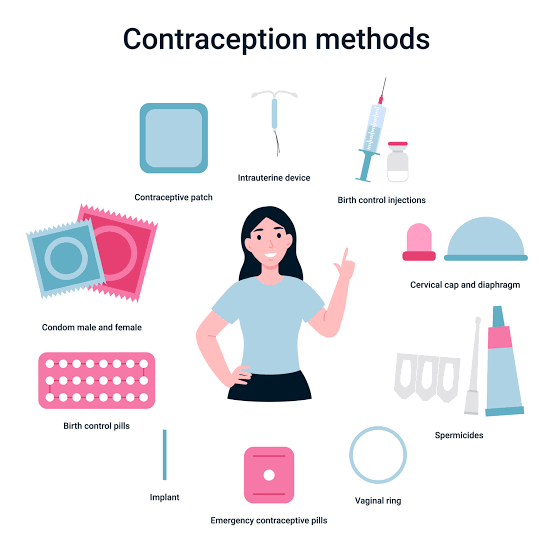 | BIRTH CONTROL also known as contraception, refers to methods and devices used to prevent pregnancy. View product → |
When permanent contraception or urgent medical review is the better next step
Permanent contraception fits only when you are confident you do not want a future pregnancy. Tubal sterilisation closes or blocks the fallopian tubes; it is intended to be permanent. Vasectomy blocks sperm from entering semen, but it does not work immediately.
Use contraception until semen analysis confirms no sperm, commonly after about 12 weeks and at least 20 ejaculations.
| Option | What it means | Fertility after stopping |
|---|---|---|
| Tubal sterilisation | Permanent procedure for the person who can become pregnant | Not intended to be reversed |
| Vasectomy | Permanent procedure for the sperm-producing partner | Delayed confirmation; reversal is uncertain |
| Implant or IUD | Long-acting reversible contraception | Fertility generally returns promptly after removal |
| Injection | Repeated progestin contraception | Ovulation can take longer to resume |
Seek prompt medical assessment rather than changing pills or using home remedies if you have:
- Severe lower-abdominal pain, fainting, or shoulder-tip pain
- Fever with pelvic pain or unusual discharge
- Very heavy bleeding, especially with dizziness or weakness
- A positive pregnancy test with pain or bleeding
- An IUD thread you could previously feel but cannot now
These symptoms can signal infection, device complications, or ectopic pregnancy. For birth control advice in Pune, disclose epilepsy, tuberculosis, or HIV medicines, plus supplements and Ayurvedic products; enzyme-inducing drugs can reduce hormonal contraceptive reliability.
Frequently asked questions
Which birth control methods also protect against STIs?
External and internal condoms help reduce STI risk. Implants, IUDs, injections, pills, and sterilisation do not protect against STIs.
How do I choose the right contraception method?
Compare effectiveness, STI protection, side effects, reversibility, future pregnancy plans, medical history, and whether you can follow a daily or scheduled routine.
When does a birth control method start working?
The start time depends on the method and when it is started in your menstrual cycle. Ask the clinician whether you need condoms or another backup method.
What should a contraception consultation in Keshav Nagar check?
Discuss pregnancy plans, menstrual history, sexual and STI risk, medicines, migraine history, blood pressure, smoking, medical conditions, and previous contraceptive experiences.
When should I seek urgent medical review after contraception failure?
Seek urgent care for severe or one-sided lower-abdominal pain, fainting, heavy bleeding, fever, a positive pregnancy test with pain, or concern about sexual assault.